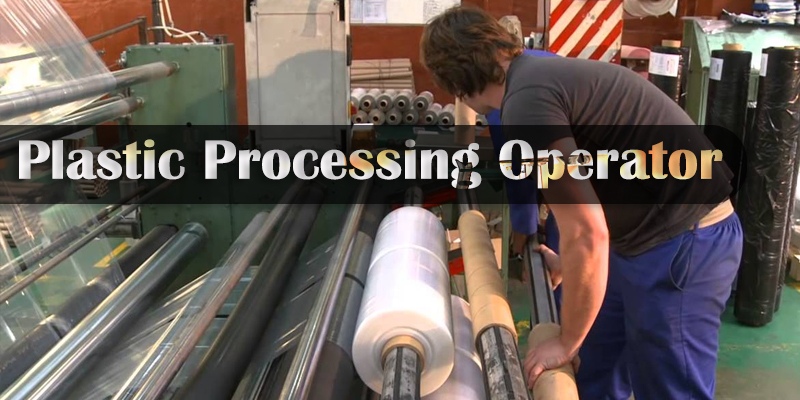
In the world of advanced manufacturing, innovation often steals the spotlight—automation systems, AI-driven quality control, and smart factories dominate headlines. Yet behind every high-performance plastic product is a skilled professional ensuring precision, consistency, and efficiency: the plastic processing operator. While the title may sound technical, its impact is deeply practical, influencing industries from automotive to healthcare.
For startup founders, entrepreneurs, and tech professionals, understanding the role of a plastic processing operator offers more than operational insight. It reveals how human expertise and machine intelligence intersect to create scalable, high-quality production systems. In a market where product reliability defines brand trust, this role becomes indispensable.
Understanding the Role of a Plastic Processing Operator
At its core, a plastic processing operator is responsible for managing and controlling machines that shape plastic materials into finished or semi-finished products. These machines can include injection molding systems, extrusion lines, blow molding units, and thermoforming equipment.
However, the role extends far beyond simply operating machinery. It involves setting up equipment, adjusting parameters, monitoring production, and ensuring that every output meets strict quality standards. Operators must understand material behavior, machine dynamics, and production workflows.
In many ways, they act as the bridge between engineering design and physical production. Without their expertise, even the most advanced manufacturing systems would struggle to deliver consistent results.
Why Plastic Processing Operators Matter in Today’s Economy
Plastic products are everywhere—packaging, electronics, automotive components, medical devices, and consumer goods. The global demand for plastic manufacturing continues to grow, driven by its versatility, durability, and cost-effectiveness.
Within this ecosystem, the plastic processing operator plays a critical role in maintaining efficiency and quality. For startups entering manufacturing or hardware-based markets, this role can directly influence production success.
Even in highly automated environments, human oversight remains essential. Machines can follow instructions, but operators interpret data, troubleshoot issues, and make real-time decisions. This combination of human judgment and technological capability is what ensures smooth operations.
For tech professionals, this highlights an important lesson: automation does not eliminate human roles—it elevates them.
Key Responsibilities of a Plastic Processing Operator
The daily responsibilities of a plastic processing operator are both technical and analytical. While specific tasks may vary depending on the industry and equipment, the core functions remain consistent.
Operators begin by setting up machines according to production requirements. This includes selecting the right molds, configuring temperature and pressure settings, and preparing raw materials.
During production, they monitor machine performance and product quality. Any deviation—such as defects, inconsistencies, or equipment malfunctions—must be identified and addressed quickly.
Maintenance is another important aspect. Operators perform routine checks and basic repairs to ensure machines remain in optimal condition. This proactive approach minimizes downtime and extends equipment lifespan.
Documentation and reporting also play a role. Accurate records help track performance, identify trends, and support continuous improvement.
Comparing Manual vs Automated Plastic Processing
To better understand the evolution of this role, consider the difference between traditional and modern processing environments:
| Aspect | Manual Processing | Automated Processing |
| Machine Control | Operator-driven | System-assisted with operator oversight |
| Precision | Variable | Highly consistent |
| Production Speed | Moderate | High |
| Skill Requirement | Hands-on expertise | Technical and analytical skills |
| Error Detection | Visual inspection | Sensor-based with human validation |
| Scalability | Limited | Highly scalable |
This table illustrates how the plastic processing operator role has evolved. Instead of being replaced by automation, operators now work alongside advanced systems, enhancing efficiency and accuracy.
Skills Required to Become a Plastic Processing Operator
The role of a plastic processing operator demands a diverse skill set that combines technical knowledge with practical experience.
A strong understanding of materials is essential. Different plastics behave differently under heat and pressure, and operators must adjust settings accordingly.
Mechanical aptitude is equally important. Operators need to understand how machines function and how to troubleshoot issues when they arise.
Attention to detail is critical. Small variations in temperature or pressure can lead to defects, making precision a key requirement.
Problem-solving skills also play a major role. Production environments are dynamic, and operators must respond quickly to unexpected challenges.
In modern settings, digital literacy is increasingly valuable. Familiarity with software systems, data analytics, and automated controls enhances performance and career growth.
The Role of Plastic Processing Operators in Startups
For startups venturing into manufacturing, hiring or developing skilled plastic processing operators can be a game-changer. Early-stage companies often face resource constraints, making efficiency and quality even more important.
Operators can help optimize production processes, reduce waste, and improve product consistency. Their insights can also inform design decisions, ensuring that products are manufacturable at scale.
In some cases, founders themselves take on operational roles in the early stages. Understanding the fundamentals of plastic processing can provide a significant advantage, enabling better decision-making and cost management.
Moreover, operators contribute to innovation. By experimenting with materials and processes, they can help develop new products and improve existing ones.
Challenges Faced by Plastic Processing Operators
Despite its importance, the role of a plastic processing operator comes with challenges. One of the most common is maintaining consistency in a variable environment. Factors such as material quality, machine condition, and environmental conditions can all impact production.
Another challenge is keeping up with technological advancements. As machines become more sophisticated, operators must continuously update their skills.
Workplace safety is also a concern. Handling high temperatures, heavy machinery, and moving parts requires strict adherence to safety protocols.
Additionally, there is increasing pressure to adopt sustainable practices. Reducing waste, recycling materials, and minimizing environmental impact are becoming key priorities in the industry.
The Future of Plastic Processing Operators
As manufacturing continues to evolve, the role of the plastic processing operator is set to become even more dynamic. Technologies such as AI, IoT, and smart manufacturing systems are transforming how production is managed.
Operators will increasingly rely on data-driven insights to make decisions. Real-time monitoring systems can provide detailed information about machine performance, enabling more precise adjustments.
Sustainability will also shape the future of this role. Operators will need to work with eco-friendly materials and processes, contributing to greener manufacturing practices.
For tech professionals, this represents an opportunity to innovate. Developing tools and platforms that support operators can enhance productivity and efficiency across the industry.
Why This Role Is a Strategic Asset
In many organizations, the plastic processing operator is viewed as a technical role. However, its impact extends far beyond operations.
By ensuring product quality, operators directly influence customer satisfaction. By optimizing processes, they contribute to cost efficiency. And by maintaining equipment, they support long-term scalability.
For entrepreneurs, recognizing this value is crucial. Investing in skilled operators and modern training can yield significant returns, both in performance and reliability.
In a competitive market, these advantages can make a meaningful difference.
Conclusion
The plastic processing operator is more than a machine handler—it is a skilled professional at the heart of modern manufacturing. As industries continue to evolve, this role remains essential, bridging the gap between technology and production.
For startups, entrepreneurs, and tech professionals, understanding this role offers valuable insights into how products are made, optimized, and scaled. It highlights the importance of human expertise in an increasingly automated world.
In the end, innovation is not just about new technologies—it’s about the people who use them effectively. And in the world of manufacturing, plastic processing operators are among those driving progress forward.