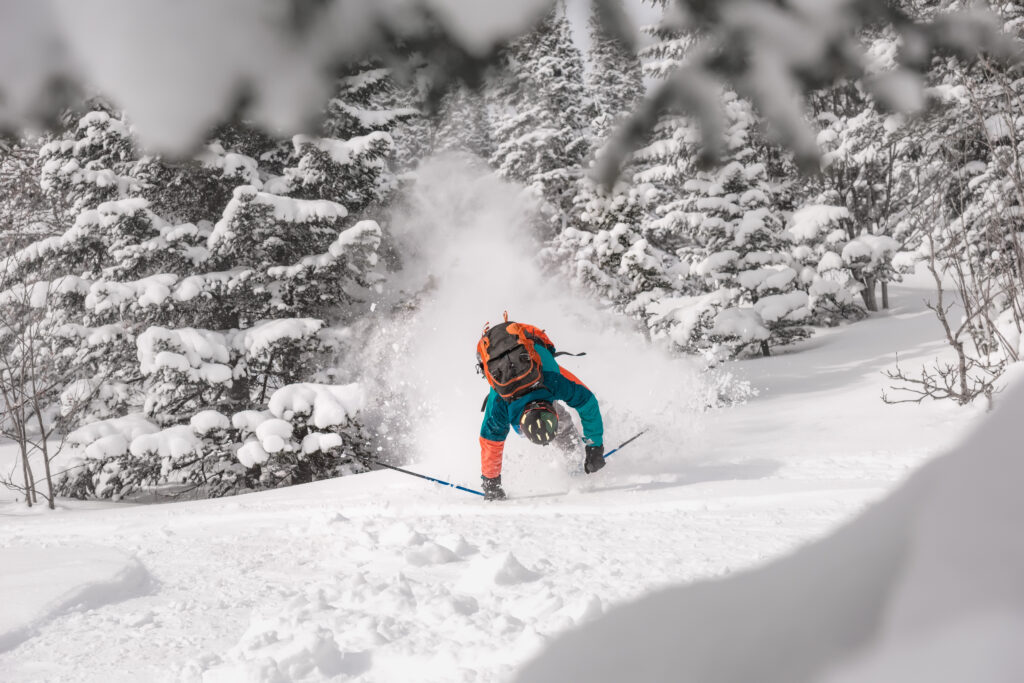
Imagine this — you’re ripping down a snow-covered mountain, crisp air in your lungs, laughter echoing around you… and suddenly everything changes with a slip, fall, or collision. That’s a ski accident, and it’s more common — and survivable — than many skiers think.
Why does this matter? Because knowing what to do before, during, and after a ski accident can be the difference between a quick recovery and a long, painful ordeal.
In this comprehensive, spoken-language, step-by-step guide I’ll walk you through everything you must know — from safety tips to first-response actions and recovery strategies.
What Is a Ski Accident?
A ski accident is any event on the slopes where a skier or snowboarder loses control, collides with another person, obstacle, or terrain feature, or suffers a fall that leads to injury. These accidents can range from mild bruises to serious trauma requiring professional medical intervention.
Whether it’s a tumble on an icy patch, a collision at speed, or losing stability mid-turn, a ski accident can happen to beginners and seasoned riders alike. That’s why understanding how to stay safe and what to do next is essential.
In fact, modern stats show that equipment and training have reduced injury frequency, but fatigue and poor decision-making still account for many accidents.
Why Ski Accidents Happen — Common Causes
Understanding why ski accidents occur helps you prevent them.
Here are the major culprits:
- High speeds + loss of control — hitting ice or uneven terrain.
- Poor visibility or crowded slopes — makes hazards harder to see.
- Incorrect or poorly maintained gear — bindings that won’t release or boots that don’t fit.
- Fatigue & overconfidence — tired legs don’t react well.
- Other skiers’ movements — collisions are surprisingly common.
Every one of these factors plays into the likelihood of an accident.
So what practical things can you do about them?
Step-by-Step: How to Avoid a Ski Accident
1. Prepare Physically Before You Go
Don’t underestimate your body — skiing demands strength, balance, and endurance.
Before hitting the slopes:
- Do dynamic warm-ups.
- Strengthen legs and core weeks in advance.
- Hydrate early and often.
Cold muscles and dehydration double the risk of injury.
This is your most under-rated safety move.
2. Check All Your Gear
Bindings, boots, helmet, goggles — every piece of equipment has a safety role.
A professional fitting ensures that your **boots and bindings release at the right force, which significantly reduces knee and leg injuries.
Ask your ski shop:
👉 “Are my DIN settings safe for my weight and style?”
👉 “Is my helmet properly certified and snug?”
A helmet can reduce head injury risk by up to 60%.
3. Take Lessons — Even If You’re Experienced
Yes, really!
Even seasoned shredders benefit from technique tune-ups.
Lessons help you control speed, fall safely, and read terrain — all critical to avoiding a skiing accident.
4. Know the Rules of the Slopes
Follow slope etiquette:
- Look uphill before merging.
- Keep distance from others.
- Obey signs and closures.
Not doing so increases collision risk dramatically.
5. Respect Your Limits
Pushing beyond your skill level or skiing tired doubles your chances of crashing.
Be honest with yourself — there’s no shame in choosing the green or blue trail if conditions are tough.
What to Do if You’re Involved in a Ski Accident
Accidents can be disorienting, especially if adrenaline kicks in.
Here’s a simple, real-world step-by-step guide:
Step 1 — Stay Calm & Stop
Breathe. Panicking only makes things worse.
Remain still until you assess your body. Can you move without pain? Calling for help early is key.
Step 2 — Call for Help
Dial ski patrol or emergency services.
Your ski pass often lists the patrol number — save it to your phone before you ride!
If a phone isn’t an option, signal with your arms or whistle.
Step 3 — Don’t Move Seriously Injured People
Unless there’s an immediate danger like an avalanche or oncoming skiers, don’t move someone with a suspected head, spine, or limb injury. That’s how long-term damage happens.
Step 4 — Secure the Area
Mark the accident zone by placing skis in an X in the snow — a universal ski patrol signal.
This prevents more collisions.
Step 5 — Basic First Aid
If you are trained:
- Apply pressure to stop heavy bleeding.
- Keep them warm and conscious.
- Reassure the injured person until pros arrive.
Specific Injuries: What to Watch For
Some injuries have special protocols.
Head Injuries
- Loss of consciousness
- Confusion
- Headache or vomiting
These need urgent medical attention.
Spinal Injuries
Any neck or back pain after a fall must be treated as serious — don’t move them and call for help right away.
After the Ski Patrol Arrives
Once trained responders take over:
- Get medical assessment and treatment.
- Document the accident — photos, location, witnesses.
- Report to resort management.
- Contact your travel or health insurer early.
Documentation might be essential if you need reimbursement or have legal claims later.
Long-Term Recovery & Prevention
After dealing with immediate injuries, focus on recovery:
- Follow medical advice and rehab plans.
- Reflect on what happened — could it have been prevented?
- Ski smarter next time.
In many cases, a review of habits, gear, and decisions can dramatically reduce risk next season.
Final Thoughts
A ski accident doesn’t have to mean disaster.
With proper preparation, situational awareness, and a calm, step-by-step approach, you can minimize risk and respond effectively when things go wrong.