1. Who Is Nipo Saldana? (Origin, Identity & Family Ties)
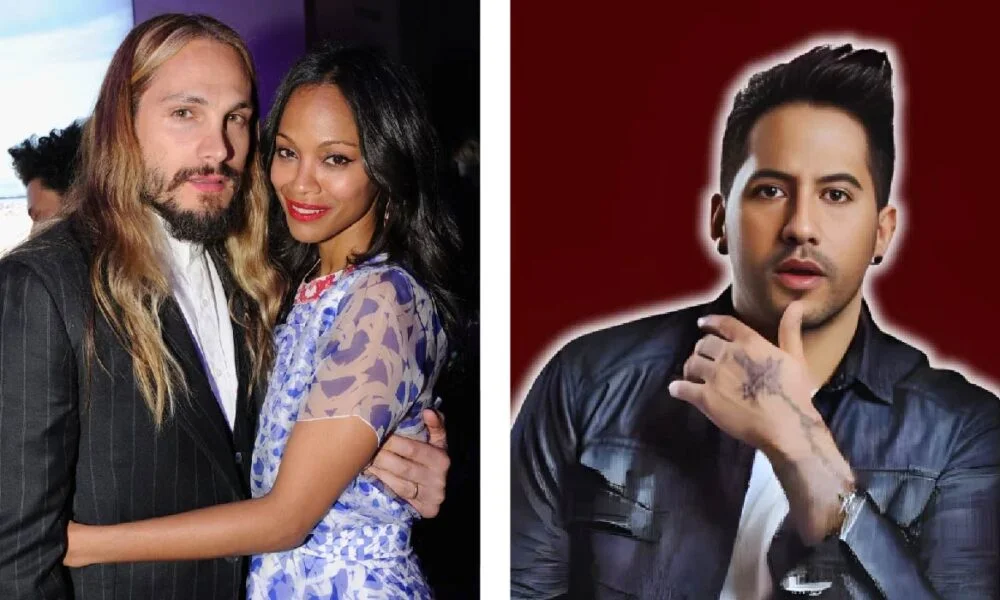
At first, plenty of people knew him as Zoe Saldana’s half-brother. True, but that’s only part of the whole picture. Nipo Saldana is a Dominican actor, producer, and creative director. Considering the Dominican Republic and Santo Domingo Este, he represents the roots of Dominican creativity.
As Carlos Dagoberto Galán Pepén, he was a child raised among the culture and the values of the arts. He and Zoe share paternal lineage and he and Zoe Saldana’s life paths diverged early. Everyone remembers him only as Zoe Saldana’s half-brother, but today he is taking the steps of finally being recognized as Carlos Dagoberto Galán Pepén.
What’s the point?: Every tool of digital storytelling and personal branding is driven by origin. Embodiment and transformation are key and Nipo Saldana shows us that with personal digital branding, your identity does not need to be fully defined by your family.
2. The Background & Early Life of Nipo Saldana
Struggle and hunger were a part of defining years of Nipo’s life before he had followers and glitz. Nipo’s early years were shaped by the presence of a famous sibling and the challenges of family dynamics. The combination of these factors taught him the importance of self-reliance at a very young age.
Nipo credits the rhythms of the Dominican Republic and the vibrancy of Caribbean Nipo’s life for his Caribbean rhythms and the dominant culture of street art to the creative art. Advancing further into his teenage years, he embraced social media and urban music, and started making more focused content around cultural commentary, and the fusion of his voice and innovative expressions.
Your environment and life challenges are powerful resources, not setbacks, so don’t ignore building your story from these elements. For anyone starting a personal brand or content platform, this is a crucial point to note.
3. Career Path: From Relative to Rising Star
Let’s break his journey into phases—because growth is rarely linear.
3.1 Starting Out: Content & Voice
To start, Nipo sought to test the waters with different social media platforms. He began sharing short pieces of music, some commentary, and different types of visuals. He had yet to achieve any level of notoriety in the Dominican influencer scene, but he kept at it. That kind of persistence eventually paid off. In the Dominican influencer scene, people began to recognize his name. It’s similar to the strategy of a lot of today’s creators, who utilize algorithm driven platforms like Instagram and TikTok to determine content worth pursuing.
3.2 Transition Into Music & Acting
Nipo soon began his foray into urban music and acting. His burgeoning social media presence made it easy for him to start collaborating on music and visual production, then landing acting roles. Nipo is the “half-brother of Hollywood star Zoe Saldana,” and some of the local press swirling around him at the time dubbed him “an actor and producer.”
Combining different platforms with different types of content in a cohesive outfit is vital for any creator. It is a mark of resilience.
3.3 Branding and Self-Definition
He is now establishing a brand that stands for an authentic voice, cultural resonance, and creative independence. He does not consistently look to his sister for credibility; rather, he acknowledges common roots, all the while emphasizing the individuality of his journey. This clarity of brand purpose is what allows him to disassociate from being “Zoe’s brother.” He becomes Nipo Saldana.
4. What Makes Nipo Saldana Unique? (Strengths & Differentiators)
Allow me to highlight some of the aspects giving him traction—and what you might take inspiration from.
- Cultural Authenticity: Nipo is a product of Dominican, Caribbean, and Latinx backgrounds, which allows him to build a genuine connection with audiences seeking that authenticity and real engagement.
- Multi-Disciplinary Approach: He is not fixed to only one medium; he encompasses acting, music, content creation, and production.
- Relatable Storytelling: Everyday challenges, national culture, and identity conflict are some of the local contexts referenced in his work.
- Independent Brand Narrative: He integrates familial prominence into a larger personal story rather than relying on it fully, telling a more comprehensive story about himself.
If you’re building your own name—artist, entrepreneur, creator—these elements aren’t optional. They’re powerful differentiators.
5. Step-by-Step: How You Could Build a Brand Like Nipo Saldana
Here’s a practical roadmap drawing from his story. You can adapt these steps to your niche (writing, design, tech, etc.).
| Step | What to Do | Why It Matters | Quick Tip |
| 1. Discover your core identity | Write down your origin story, interests, struggles, values | Your “why” becomes your brand anchor | Use voice memo to speak spontaneously—sometimes raw voice reveals core themes |
| 2. Start with content experimentation | Use platforms (TikTok, IG, YouTube) to post short works, commentary, visuals | Algorithmic feedback helps you refine style | Don’t over-edit early—be authentic |
| 3. Expand into adjacent mediums | Once you have an audience, try podcasts, music, acting, visual art | Diversifies your output and income | Cross-link your works (e.g. music videos + blog) |
| 4. Integrate personal & cultural threads | Weave in your heritage, personal stories, day-to-day struggles | That gives you uniqueness in a crowded space | Use “micro stories” per post—tiny anecdotes add depth |
| 5. Clarify brand narrative | Write a short “brand mission” statement: who you are, what you stand for | Helps audiences understand you quickly | Revisit monthly—your statement should evolve |
| 6. Leverage collaboration & exposure | Work with local artists, influencers, platforms | Opens doors, brings new audiences | Always co-brand and cross-promote |
| 7. Persist and adapt | Expect plateau phases, keep iterating | Long-term consistency wins | Use analytics to double down on what works |
If you replicate even half of those steps thoughtfully, you’ll build a name—much like Nipo Saldana is doing.
6. Challenges & Misconceptions About Nipo Saldana
Because every rising story has friction. Let me address what people often get wrong (and what he likely navigates):
- “He’s just famous because of Zoe.” Yes, the familial tie gives visibility. But talent, consistency, and creative growth are what sustain a career.
- Overshadowing risk: Anytime one sibling is a global star, the other has to fight for attention.
- Pressure to imitate: The temptation to mirror Zoe’s path (Hollywood films, big studios) is real—and possibly distracting.
- Balancing authenticity vs marketability: To grow, you might feel pulled to compromise your voice. The trick is to evolve, not depart.
7. Lessons You Can Borrow From Nipo Saldana (Takeaways)
- Ownership over borrowed spotlight: Even if you start known because of someone else, decide how you will be known.
- Iterative creativity: Don’t expect a perfect launch. Test, measure, tweak.
- Cultural specificity is power: Don’t mask who you are; your background can be your differentiator.
- Diversification matters: Don’t put all your creative eggs in one medium.
- Patience and consistency: Overnight success is a myth. Even Nipo’s rise builds on years of persistent effort.
9. Future Outlook & What to Watch
Over the next few years, I expect Nipo Saldana to make key moves:
- Film or series roles beyond the Dominican space
- Original music releases with broader reach
- Collaborations with Latinx and Caribbean creatives
- Brand expansion—merch, content platforms, speaking engagements
If he nails even a couple of those, his name might break into more mainstream recognition—no longer just “Zoe’s brother,” but a name in his own right.
Conclusion: More Than a Surname
I hope this deep dive into Nipo Saldana gave you more than biographies or trivia. I aimed to sketch a blueprint—how someone from family ties and local roots can push forward into their own creative identity.
When you tell stories, whether about you or someone else, remember: the power lies not just in what you tell, but how you connect it to universal themes—identity, struggle, authenticity, ambition.